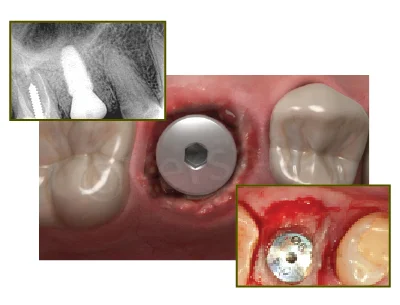
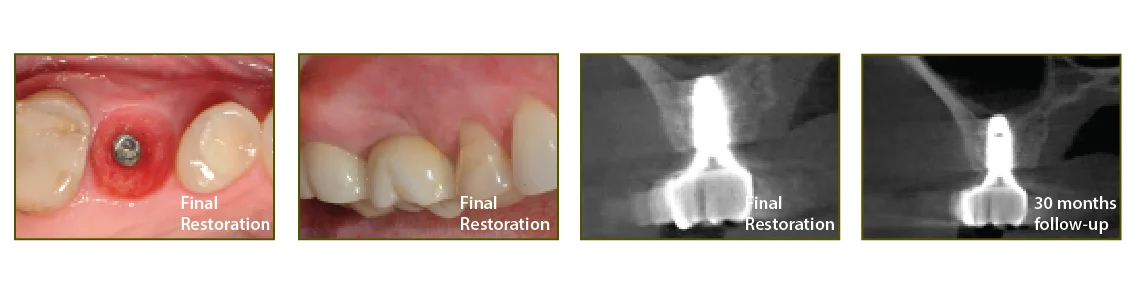
Combined Molar Septum Expansion

Overview

Indicated for upper molar sites with a minimum of 4 mm wide septum
1: Utilize CBCT imagi ng to measure ridge width and distance to the sinus floor.
2: Flapless atrumatic tooth extraction with minimum trauma to preserve septum.
Osseodensification instrumentation using Densah@ Burs in CCW (800-1500 rpm) to expand the septum and lift the sinus membrane
simultaneously.
3:ٰٰٰImplant Placement.
4: Graft the socket around the implant with the appropriate bone graft materials.
5: Seal the socket with a large/wide healing abutment.

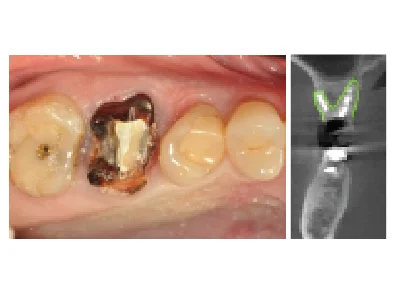
Step 1:

Diagnosis:
Utilize CBCT imaging to assess and measure alveolar ridge width and
the height to the sinus floor.

Step 2:

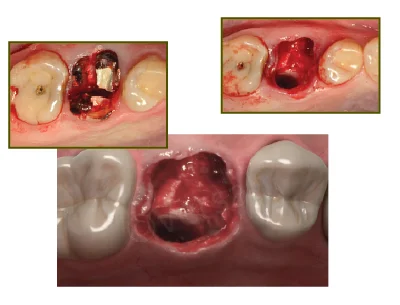
Flapless surgical extraction is indicated. Separate molar roots with
mini mum trauma to preserve the septum.

Step 3:

Instrumentation:
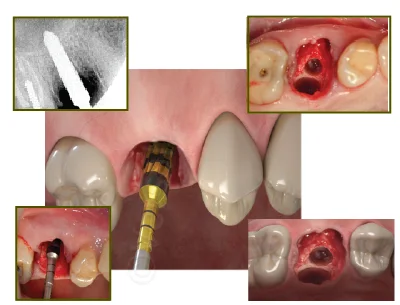
Run the Densah@ Bur in OD Mode (CCW) drilling speed of 800-1500 rpm
with copious irrigation. Use the subsequent larger Densah@ Burs in full
increments to increase boneplasticity and to expand the osteotomy and
lift the sinus membrane. For example, use Densah@ Bur 2.0 after the
pilot, then expand and enter the sinus with Densah@ Bur 3.0, then move
to Densah@ Bur 4.0 before introducing Densah@ Bur 5.0 if needed. As the
bur diameter increases, the septal bone expands and the sinus
membrane should be lifted up to 3 mm with autogenous bone graft. If
additional lift of more than 3 mm is needed, propelallograft with the
final bur running in CCW at 150 rpm with no irrigation (see Sinus Lift
Protocol II). Depending on the implant geometry, follow the
corresponding Implant System Drilling Protocol.

Step 4:

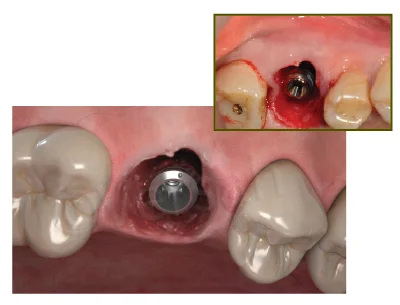
Place implant at either the crestal or subcrestal level depending on its
restorative connection type.

Step 5:

Fill the socket gap with a bone graft material if needed, preferably using
an allograft putty or allograft particulate with a 70/30
cancellous/cortical ratio.

Step 6:

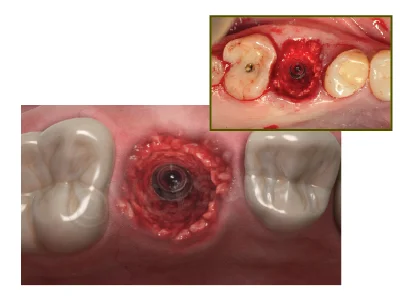
Seal the socket with a customized or standardized large healing
abutment.